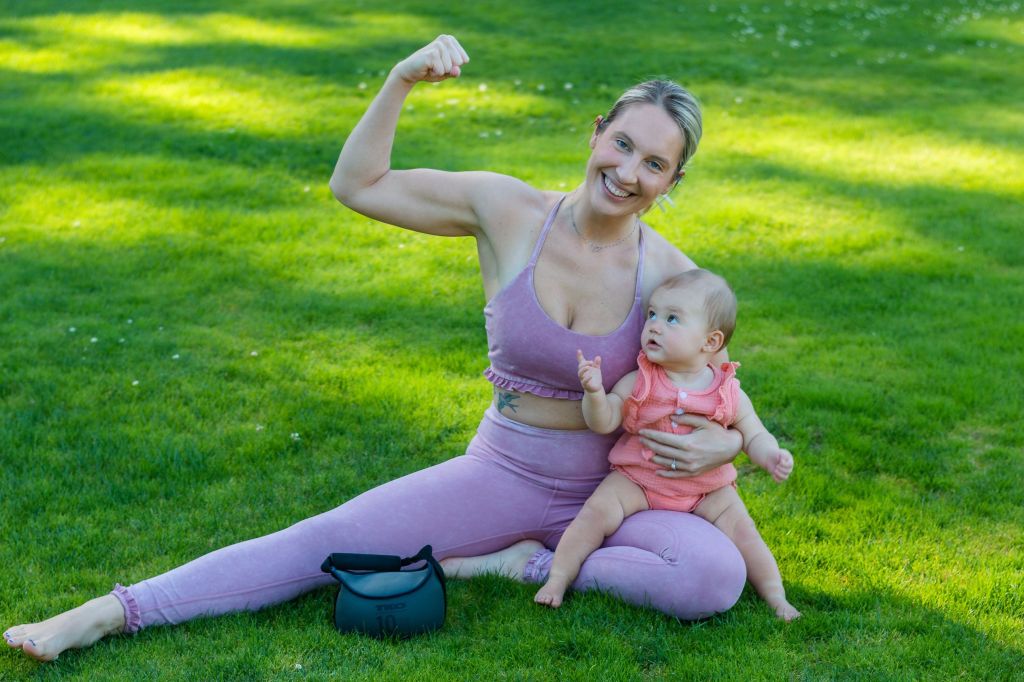
Bringing a new baby into the world is a life-changing experience. While much of the focus naturally shifts to caring for your newborn, your recovery is just as important. Your body has gone through significant changes during pregnancy and childbirth, and healing takes time.
Postpartum fitness isn’t about “getting your body back.” It’s about rebuilding strength, supporting your recovery, increasing your energy, and helping you feel confident and healthy as you adjust to life with your baby.
Whether you had a vaginal birth or a cesarean birth, every recovery is unique. Be patient with yourself, celebrate small milestones, and remember that progress looks different for every mom.
Start with Your Healthcare Provider’s Guidance
Before beginning or returning to exercise, talk with your healthcare provider. They can help determine when it’s appropriate to resume physical activity based on your delivery, recovery, and overall health.
Recovery timelines vary from person to person, and it’s important to let your body heal at its own pace.
Focus on Healing First
Your first weeks postpartum are about recovery—not intense workouts.
During this time, prioritize:
- Rest whenever possible
- Staying hydrated
- Eating balanced, nourishing meals
- Gentle walking if approved by your provider
- Pelvic floor awareness
- Deep breathing and relaxation
These simple habits can support both physical healing and emotional well-being.
Reconnect with Your Core
Pregnancy stretches the abdominal muscles and places added strain on the core and pelvic floor. Before returning to high-impact exercise, focus on rebuilding stability with gentle movements.
Examples include:
- Diaphragmatic breathing
- Pelvic tilts
- Heel slides
- Bird dogs (when appropriate)
- Gentle core engagement exercises recommended by a qualified professional
Avoid rushing into traditional crunches or sit-ups if you’ve been advised they aren’t appropriate for your stage of recovery.
Don’t Forget Your Pelvic Floor
The pelvic floor supports your bladder, bowel, and uterus, and it plays an important role in stability and movement.
Gentle pelvic floor exercises can help improve strength and function after pregnancy. If you’re experiencing symptoms such as urinary leakage, pelvic heaviness, pain, or difficulty returning to activity, a pelvic floor physical therapist may be able to help.
Start with Walking
Walking is one of the best postpartum exercises because it’s low impact, accessible, and easy to adjust to your comfort level.
Start with short walks and gradually increase your time and pace as you feel stronger. Walking with your baby in a stroller can also be a great way to enjoy fresh air and establish a healthy routine.
Add Strength Training Gradually
Once you’ve been cleared for exercise and feel ready, light strength training can help rebuild muscle and improve everyday function.
Begin with bodyweight exercises such as:
- Squats
- Glute bridges
- Wall push-ups
- Step-ups
- Resistance band exercises
Focus on proper form rather than lifting heavy weights. Strength develops over time with consistency.
Listen to Your Body
Your body will let you know when it needs more rest.
Pause or modify your workout if you notice:
- Pain that doesn’t feel like typical muscle soreness
- Increased vaginal bleeding
- Pelvic pressure or heaviness
- Dizziness
- Urinary leakage during exercise
- Unusual fatigue
If symptoms continue, contact your healthcare provider.
Make Fitness Fit Your New Routine
Life with a newborn is unpredictable, so flexibility is key.
Try these realistic strategies:
- Exercise during nap time when possible.
- Break workouts into 10- to 15-minute sessions.
- Take stroller walks.
- Include your baby in safe, age-appropriate movement activities.
- Celebrate consistency instead of aiming for perfection.
Some movement is often better than none.
Fuel Your Recovery
Your body needs nutrients to recover from childbirth and, if you’re breastfeeding, to support milk production.
Focus on:
- Lean proteins
- Whole grains
- Fruits and vegetables
- Healthy fats
- Plenty of fluids
Eating enough and staying hydrated can help support energy levels and recovery.
Give Yourself Grace
Recovery after childbirth is physical, emotional, and mental. Some days you’ll feel energized, and other days you’ll simply need extra rest.
Avoid comparing your progress to social media or anyone else’s timeline. Your recovery belongs to you, and healing isn’t a race.
Celebrate every step forward, whether it’s taking your first walk around the block, completing a gentle strength session, or simply feeling a little stronger than you did last week.
A Sample Beginner Postpartum Routine
Once you’ve been cleared by your healthcare provider, a gentle routine might look like this:
Monday: 15–20 minute walk + breathing exercises
Tuesday: Gentle stretching + pelvic floor exercises
Wednesday: Bodyweight strength (20 minutes)
Thursday: Rest or light walk
Friday: Core stability exercises + stretching
Saturday: Family walk or light activity
Sunday: Rest and recovery
Adjust your routine based on your energy, comfort, and recovery.
Final Thoughts
Postpartum fitness is about supporting your body’s recovery, rebuilding strength, and caring for yourself as you care for your baby. Every step counts, and there is no “perfect” timeline for feeling strong again.
Treat yourself with patience and compassion. Focus on gradual progress, nourish your body, and seek guidance when you need it. By investing in your health, you’re supporting not only your own well-being but also your ability to care for your growing family.
Remember: Your body has accomplished something extraordinary. Recovery is not about returning to who you were before—it’s about moving forward with strength, resilience, and confidence.







Leave a comment